Everything you need to know about Gluten-Free in 2025
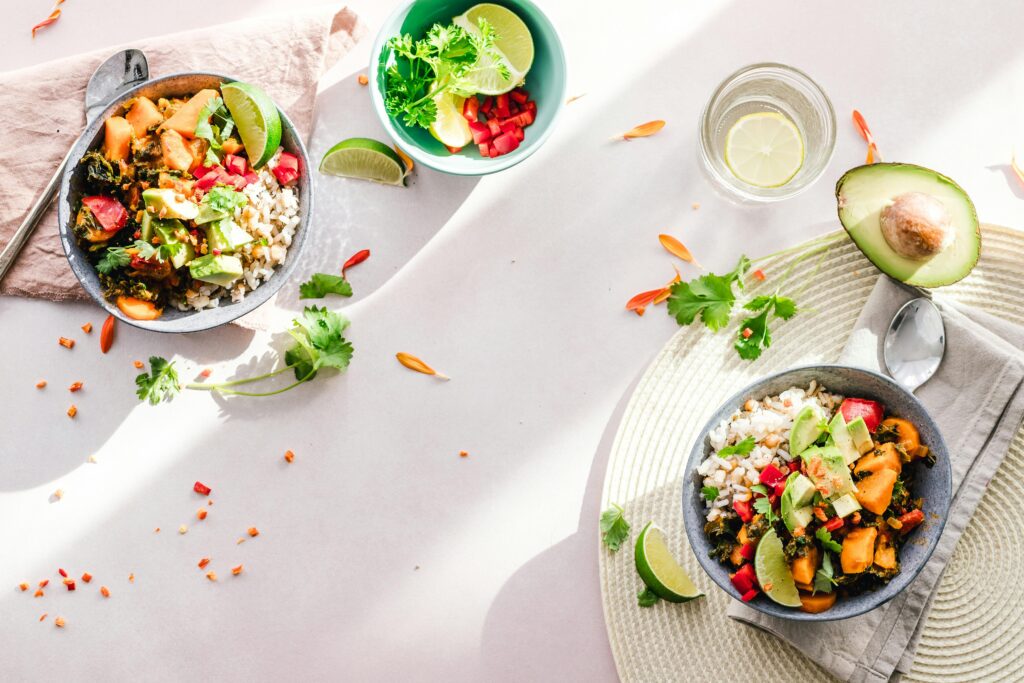
With a growing focus on personal health and nutrition, many individuals are turning to a gluten-free lifestyle. This shift isn’t just about following a trend—it’s often a proactive choice for improved digestion, better energy levels, and reduced inflammation. Whether you’re managing a medical condition like celiac disease or aiming to eat cleaner, going gluten-free can bring real, noticeable benefits.
What is Gluten and Who Should Avoid It?
Gluten is a protein found in wheat, barley, and rye. While it’s harmless for most, it can cause serious health issues for some individuals.
Celiac Disease
People with celiac disease experience an autoimmune reaction to gluten, damaging the small intestine and hindering nutrient absorption. Symptoms include:
Digestive discomfort
Fatigue
Skin problems
Non-Celiac Gluten Sensitivity
Others may not have celiac disease but still experience symptoms such as:
Bloating
Brain fog
Discomfort
For both groups, removing gluten from the diet can significantly enhance quality of life.
7 Powerful Reasons to Go Gluten-Free
1. Improved Digestive Health
Avoiding gluten can ease symptoms like bloating, gas, and cramping for those with sensitivities.
2. Increased Energy Levels
A healthy gut leads to better nutrient absorption and more sustained energy throughout the day.
3. Enhanced Nutrient Absorption
Reducing gut inflammation allows your body to absorb vital nutrients more efficiently.
4. Weight Management Support
Many gluten-free diets focus on whole, unprocessed foods—supporting healthy weight loss or maintenance.
5. Reduced Inflammation
Cutting gluten can decrease inflammation, helping people with autoimmune conditions, joint pain, and skin issues.
6. Better Skin Health
Conditions like acne, eczema, and rashes may improve with a gluten-free diet.
7. Improved Mental Clarity
Many individuals report better focus and reduced brain fog after eliminating gluten.
Top 2 Gluten-Free Recipes You Can Try at Home
Eating gluten-free doesn’t mean sacrificing flavor or satisfaction. These two wholesome, easy-to-make recipes are not only delicious but also high in nutrients—making them perfect for anyone looking to eat clean, support gut health, or manage conditions like PCOS.
1. Gluten-Free Falafel Roll
High in protein, rich in fiber, PCOS- and gut-friendly – with no maida or wheat!
Ingredients
For Falafel:
1 cup soaked chickpeas (not canned)
2–3 garlic cloves
½ onion, chopped
A handful of fresh coriander and mint leaves
1 tsp cumin powder
½ tsp chili powder
Salt and pepper to taste
1 tbsp besan (gram flour) or oats powder
Olive oil (for baking or shallow frying)
For Wrap:
Gluten-free roti (jowar, bajra, quinoa roti) or rice paper
Fresh lettuce or spinach leaves
Sliced onion, tomato, cucumber
Mint yogurt dip or hummus for dressing
Method
Prepare the Falafel:
Blend chickpeas, garlic, onion, coriander, mint, and spices into a coarse mixture. Mix in besan or oats powder and shape into small balls or patties.Cook the Falafel:
Baking: Preheat oven to 200°C and bake for 20 minutes.
Shallow Frying: Cook on a skillet with a little olive oil until golden brown.
Assemble the Wrap:
Warm your gluten-free roti or use a large lettuce leaf as a wrap.
Layer with fresh veggies, 2–3 falafel patties, and your choice of mint yogurt dip or hummus.
Roll it up and enjoy your healthy, gluten-free meal!
2. Gluten-Free Mixed Veggie Pasta
A quick, satisfying one-pot meal that’s perfect for weeknights.
Ingredients
1 cup gluten-free pasta (made from rice, quinoa, or chickpeas)
1 tsp olive oil
4–5 garlic cloves, minced
1 onion, chopped
1 tomato, blended into puree
½ cup mixed vegetables (bell peppers, spinach, mushrooms – optional)
Salt and pepper to taste
Chili flakes and oregano for seasoning
Optional garnish: Fresh herbs or crumbled paneer
Method
Boil the Pasta:
Cook pasta in salted water according to package instructions. Drain and set aside.Prepare the Veggie Sauce:
In a pan, heat olive oil and sauté garlic and onion until translucent. Add blended tomato and cook for a couple of minutes. Toss in the veggies and cook until tender.Combine & Serve:
Add the boiled pasta to the sauce and toss everything together. Cook for another 2 minutes to absorb the flavors.Garnish:
Top with herbs or paneer and serve warm.
Where to Find Reliable Gluten-Free Products
With demand rising, gluten-free products are widely available. Look for:
Certified Gluten-Free labels
Organic or Non-GMO options
Nutrient-Dense Ingredients
Trusted gluten-free brands and manufacturers
From supermarkets to online retailers, gluten-free shopping has never been easier.
Top Gluten-Free Products to Try
New to gluten-free living? Start with these essentials:
Gluten-Free Bread – Made with flours like almond, rice, or tapioca.
Pasta Substitutes – Lentil, quinoa, or chickpea-based options.
Snack Alternatives – Cookies, chips, crackers, and granola bars.
Baking Ingredients – Almond, oat, or coconut flour.
Breakfast Items – Pancake mixes, cereals, and granolas.
Meal Kits – Pre-packaged, gluten-free cooking kits.
Grocery Delivery – Online platforms that deliver gluten-free groceries straight to your door.
Tips for Transitioning to a Gluten-Free Diet
Adopting a gluten-free lifestyle can feel overwhelming at first, but these tips can smooth the process:
Read Every Label: Check for hidden gluten sources like malt or modified food starch.
Plan Ahead: Weekly meal planning prevents accidental gluten consumption.
Experiment in the Kitchen: Try new recipes with wholesome, gluten-free ingredients.
Educate Yourself: Learn how gluten is used in processed foods to avoid mistakes.
Join a Community: Support groups or online forums offer tips, recipes, and motivation.
Tip: Consult a registered dietitian to ensure your diet stays balanced and nutritionally complete during the transition.
Conclusion: Your Healthier Journey Starts Today
Going gluten-free is more than a trend—it’s a meaningful lifestyle change with benefits for both body and mind. From clearer skin and better digestion to increased focus and reduced inflammation, the improvements are often both immediate and lasting.
Whether for medical reasons or personal wellness goals, choosing high-quality, gluten-free products has never been more convenient. Embrace the change, explore new foods, and start your journey toward better health—one gluten-free bite at a time.